
The advantages for those interested in a ‘different’ form of contemporary art are tangible: hosting the selected works in their premises with minimal financial commitment, with the recognition of the economic benefit in the event of sale.
The range of styles, compositions, materials used, objects that are born from impulses, indefinable stories but which exalt the liberty of the artistic gesture, can capture the eye and satisfy the expectations of the visitor/discoverer of new figurations.
Metamorphoses
Explored and experimented for years, the art that uses IT tools to create new forms of artistic expression, digital art, has become familiar to viewers, who may be perplexed or involved but are now educated about its interdisciplinary nature.
Paolo Stefani, while developing new pictorial works, has perfected the study and use of new technologies, which he began at a young age. In fact, the files in his studio contain the metamorphoses of photographic images dating from 2008/2009.
In 2020, he wrote in the introduction to a digital reinterpretation of some of his works: “Painting has spatial and dimensional obligations, whereas digital drawing does not. When photographed, a painting on paper or canvas is transformed into a digital sign, losing its prerogatives and aligning itself with computer media. The intervention of the graphics tablet generates a virtual subversion of the original image, modifying its meaning and content. This observation gave rise to an attempt to reconcile two creative processes that are apparently opposite and contradictory."
Helen Arts Gallery presents an exhibition project featuring works that, once printed and thus rendered tangible and accessible to the eye, demonstrate how Paolo Stefani's manual skills and knowledge assist him in creating imaginary subjects and worlds.
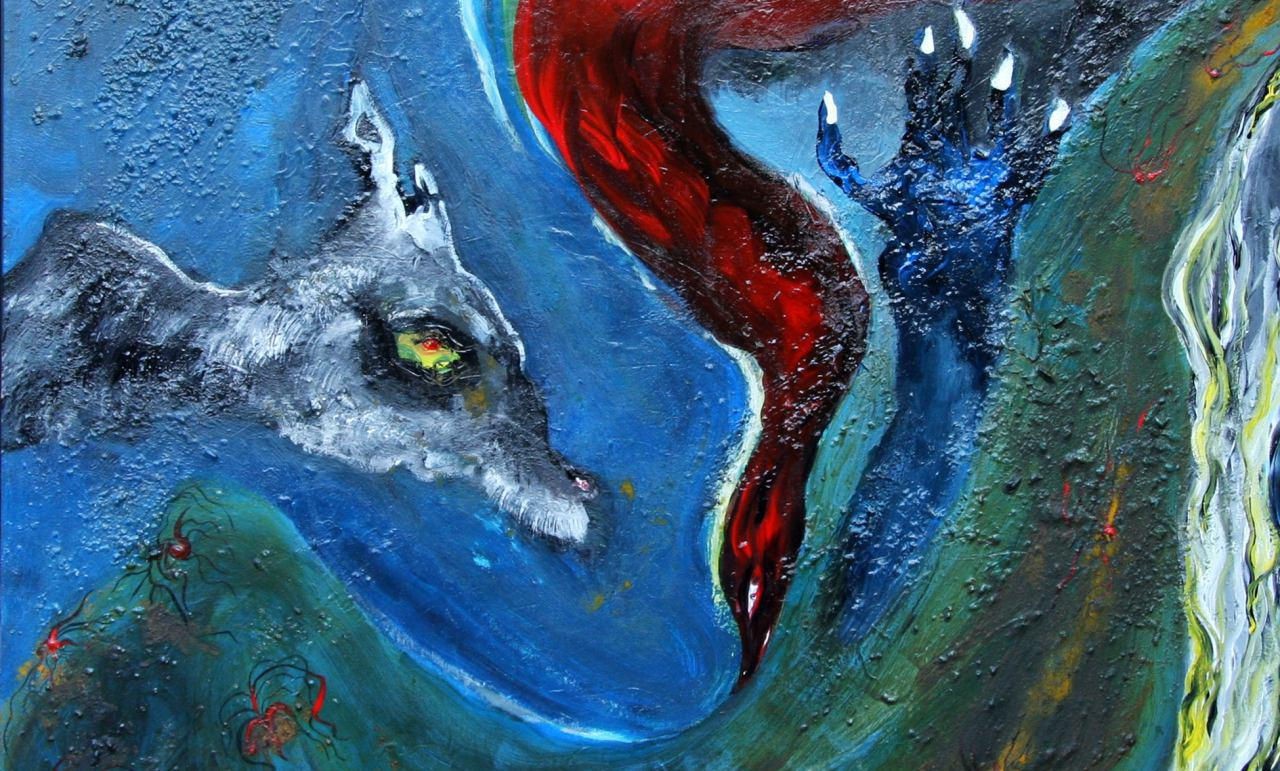
Along the way, we glide lightly from dissolving street art to a painting by the artist featuring faceless figures or unknown beings, to the silent Carrara marbles that unexpectedly recount the legends of the quarries, to the revisited rooms of 17th-century ruins...



BORN FROM FIRE
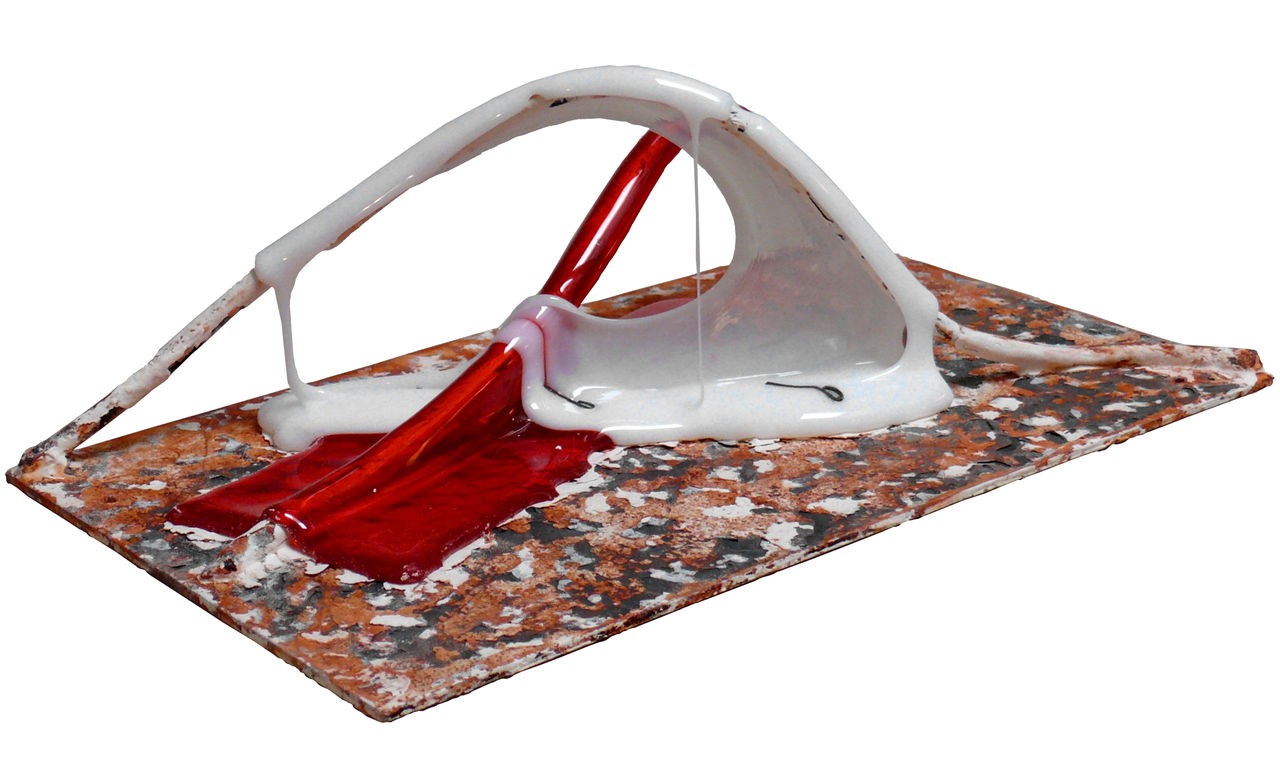
The primary element essential to Manuel Lagoa's creative process is fire. He uses fire to create his sculptures from glass and recycled metal, to which he has recently added stone and wood.
The works, large or small, on pedestals or wall-mounted, could not have been created without the artist's ancient know-how, sensitivity and intuition, and stubborn resistance to effort. Manuel does not explain his fascination with glass, the furnaces of the tablets of Nineveh, or the poems of Mesomedes: “It is a wonder for men to see the river of molten glass flowing from the fire”. For him, it is simply obvious.
The selection of wall sculptures on display here (exhibition project to be developed) coloured or transparent, are inspired by the inextinguishable metaphysics “one of the intellectual achievements... promulgated in the last two or three centuries in the Bel Paese” (Manuel Lagoa lived and worked in Italy for several years). Bringing together seemingly distant elements, and thus affirming the inconsistency of apparent realities.


CARESS THE DESERT
ELUXES writes
My photographs cannot describe The Desert; they only transfer my feelings as a pilgrim who reverently touches tiny fragments of its immense territories.
From the Taklamakan to the Gobi, from the white desert in Egypt to the Wahiba desert in Oman, everywhere , far from the clamour of civilisation, enveloped in silence that conveys the music of shifting sand, the song of the dunes, the whisper of invisible or concrete beings that appear in the morning mist, amazed and intimidated, I receive the gift of vitality from these spaces defined as “desert”.
The countless photographs taken, developed in appropriate forms and sizes, organised into a thematic exhibition, bear witness to the many aspects of the “deserts” which, although they have lost their solitude, have jealously guarded their mysteries.

WAHIBA DESERT

WAHIBA DESERT

WAHIBA DESERT

MONGOLIA GOBI

MONGOLIA GOBI

MONGOLIA GOBI

MONGOLIA SONGDUNES

TAKLAMAKAN

TAKLAMAKAN

TAKLAMAKAN

TAKLAMAKAN DUNHUANG

TAKLAMAKAN DUNHUANG

EGYPT BLACK DESERT

EGYPT BLACK DESERT

EGYPT BLACK DESERT

EGYPT WHITE DESERT

EGYPT WHITE DESERT

EGYPT WHITE DESERT

EGYPT WHITE DESERT

EGYPT WHITE DESERT

EGYPT WHITE DESERT

EGYPT WHITE DESERT

EGYPT WHITE DESERT FIRE

EGYPT WHITE DESERT TEA